
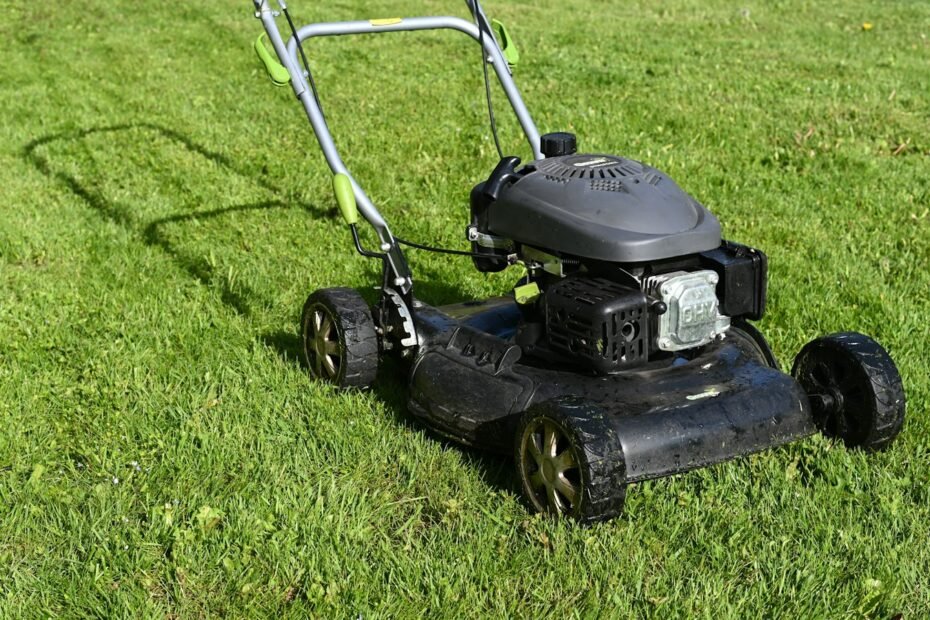
Mowing season is winding down across most of the country, and the next few weeks are the best window to put your outdoor equipment away the right way. A mower that goes into the shed with half a tank of gas and a deck caked with wet clippings is the classic reason it won’t start in April.
This guide covers how to winterize a lawn mower step by step, how to handle cordless batteries, grills, hoses and other outdoor gear, and where to store everything over the winter, including what most self storage facilities will and won’t let you bring.
The short version: Either run your gas mower dry or fill it with fresh, stabilized fuel. Clean the deck, change the oil, and sharpen the blade. Bring lithium-ion batteries indoors at a partial charge. Keep propane tanks outside. Store everything clean, dry and off the floor, and if it’s going into a storage unit, drain the fuel and check the facility’s rules first.
When Should You Winterize Your Mower?
Do it right after your last mow of the year and before the first hard freeze. For most of the U.S., that means late October through November. In the South and Southwest you may mow into December, while snowbelt homeowners should aim to finish before Halloween so the job isn’t done in the cold.
One timing tip: winterizing is also the moment to swap your gear around. Pull the snow blower to the front of the garage or shed and push the mower to the back, where it can sit untouched until spring.
How to Winterize a Gas Lawn Mower, Step by Step
1. Check your owner’s manual first
Engine makers don’t all agree on the best way to store fuel over the winter. Some recommend running the tank dry, others recommend a full tank of stabilized gas. Your manual’s storage section wins over any general advice, including this article.
2. Deal with the gas (the step that matters most)
Most pump gas contains ethanol, which pulls moisture out of the air. Left sitting all winter, it can separate, gum up the carburetor, and harden rubber and plastic fuel parts. Lawn care pros note that fuel can start to break down in as little as a month. You have two good options:
- Run it dry. Burn off or siphon the remaining gas into an approved fuel can, then run the engine until it stalls so the carburetor is empty too. The University of Georgia Extension calls dry storage the most reliable way to avoid spring starting problems.
- Fill it with stabilized fuel. Add fuel stabilizer to fresh gas at the dose on the bottle, fill the tank nearly full, and run the engine for five to ten minutes so treated fuel reaches the carburetor. A full tank leaves little room for condensation.
The one thing you shouldn’t do is store the mower with a partly full tank of untreated gas. And for small engines in general, skip E15 and E85 blends.
3. Disconnect the spark plug
Before you touch the deck or blade, pull the spark plug wire so the engine can’t fire if the blade gets turned. It’s also a good time to check the plug and replace it if it’s fouled or worn.
4. Clean the deck
Wet clippings packed under the deck hold moisture against the metal all winter, which is how decks rust through. Scrape them off with a putty knife or plastic scraper, then brush or hose off the rest and let it dry completely. Wipe down the engine housing too.
5. Change the oil
Old oil carries acids and debris that sit on engine parts all winter. Run the engine for a few minutes first, since warm oil drains faster, then drain and refill with the type your manual specifies. Two-stroke engines mix oil with the fuel, so they skip this step.
6. Clean or replace the air filter
A clogged filter makes the engine run rich and hard to start. Paper filters are cheap enough to replace; foam filters can usually be washed, dried and lightly re-oiled.
7. Sharpen the blade now, not in spring
Small-engine shops are slow in the fall and slammed in April. Get the blade sharpened or replaced now and you’ll roll out a ready mower on the first warm weekend.
8. Protect bare metal and cover it
A light wipe of oil on exposed metal helps prevent rust. Then cover the mower with a breathable cover. A plastic tarp tied tight traps condensation, which defeats the purpose.
Cordless Mowers and Battery-Powered Tools
Battery mowers skip the fuel and oil steps, but the batteries need attention. Consumer Reports recommends bringing lithium-ion batteries indoors even if the tools stay in the garage or shed, and storing them at roughly 40 percent charge if they’ll sit unused for a month or more.
- Store batteries inside, somewhere with steady temperatures, generally between about 40°F and 80°F. A closet or basement shelf works.
- Aim for a partial charge, not full and not empty. Some brands (and some robotic mowers) specify a different level, so follow the manual.
- Check them once or twice over the winter and top them back up if the charge has dropped low. Deep discharge can permanently damage a pack.
- Clean the deck and sharpen the blade just like a gas mower.
Winterizing Checklist for the Rest of Your Outdoor Gear
| Item | What to do before storing |
|---|---|
| String trimmer, leaf blower, chainsaw | Run two-stroke tools dry or fill with stabilized or canned premix fuel. Clean off debris, check the chain or line, and store hanging if you can. |
| Pressure washer | Drain all water from the pump and hoses and use a pump protector so trapped water can’t freeze and crack it. Handle the engine fuel like a mower. |
| Garden hoses and sprayers | Disconnect from the spigot, drain completely, coil loosely and store indoors. Shut off and drain outdoor faucets if they aren’t frost-free. |
| Gas grill | Burn off and brush the grates, clean the grease tray, disconnect the propane tank and cover the grill. The grill can go in a garage or shed; the tank cannot (see below). |
| Propane tanks | Close the valve and store upright, outdoors, in a ventilated spot away from the house and out of snow buildup. Never in a garage, shed, basement or storage unit. |
| Patio furniture and cushions | Clean, dry and store cushions indoors. See our tips for storing patio furniture. |
| Hand tools | Clean off soil, dry, sharpen pruners and shovels, and wipe metal with a light coat of oil. |
Propane deserves its own warning. Propane is heavier than air, and a slow leak from a tank stored indoors can collect near the floor where a pilot light or spark can ignite it. Cold won’t hurt a tank, so outside is the right place for it all winter.
Where to Store Your Mower and Outdoor Gear for Winter

Garage or shed
For most homeowners, the garage or a backyard shed is the obvious spot. A few things make a big difference:
- Get it off the slab. Concrete wicks moisture. A piece of plywood or a rubber mat under the mower helps keep rust down.
- Keep mice out. Mice love nesting in mower engine compartments and chewing wiring over the winter. Seal gaps in the shed and keep birdseed and grass seed in sealed bins.
- Keep fuel cans away from ignition sources like water heaters, furnaces and dryers, and only keep as much gas as you need.
- Go vertical. Wall hooks for trimmers, blowers and long-handled tools free up floor space for the mower and snow blower.
If your garage is already full of cars and boxes, a shed is often the better long-term fix. Here’s why every homeowner should consider a garden shed, and our Lifetime sheds review covers sizes that fit a mower and tools.
A self storage unit
A storage unit makes sense if you’re in an apartment or townhome with no garage, you’re between homes, or you’re staging a house to sell this winter and need the garage looking empty. A few rules apply:
- Call the facility first. Every self storage lease bans flammable liquids, and many facilities only accept gas-powered equipment once the fuel (and sometimes the oil) has been drained. This is a big reason to choose the run-it-dry method if your mower is headed to a unit.
- Never store gas cans, propane tanks or oil jugs in the unit, even empty ones that still smell of fuel.
- Bring the batteries home. Even in a climate-controlled unit, batteries should stay somewhere you can check on them.
- Climate control is usually optional for yard equipment. A standard drive-up unit is fine for a mower and metal tools. See climate-controlled vs. standard storage for when paying more is worth it.
As for size, a push mower, trimmer and a set of hand tools usually fit in a 5×5 or 5×10 unit. Add patio furniture or a riding mower and you’re looking at a 10×10 or larger with drive-up access. Not sure? Take our 60-second storage unit size quiz, then plug the size into our self storage cost calculator to see what a few winter months will run in your area. Off-season demand is lower, so fall and winter are often a good time to compare self storage prices near you and lock in a move-in deal.
5 Winterizing Mistakes to Avoid
- Leaving a half tank of untreated gas. It’s the number one cause of spring no-starts.
- Tipping the mower the wrong way. Tilt with the air filter and carburetor facing up, or you’ll flood the filter with oil and gas.
- Storing the grill with the tank attached inside a garage or shed.
- Leaving batteries on the charger or in a freezing shed all winter.
- Wrapping equipment in plastic. Trapped condensation causes the rust you were trying to prevent. Use a breathable cover.
Frequently Asked Questions
Should I store my lawn mower with a full tank or an empty tank?
Either works if you do it right: completely empty (run until it stalls) or nearly full of fresh, stabilized gas. A partly full tank of untreated gas is the worst option. Follow your owner’s manual, and choose empty if the mower is going into a storage unit.
Can you put a lawn mower in a storage unit?
Usually, yes, but most facilities require that the fuel be drained, and some want the oil drained too. Fuel cans and propane are never allowed. Ask the manager before you move in.
Do electric mowers need to be winterized?
Yes, though it’s quicker. Clean the deck, sharpen the blade, and store the battery indoors at a partial charge, checking it once or twice before spring.
Can I keep my propane tank in the shed over winter?
No. Store propane tanks outdoors, upright, with the valve closed and away from the house. Cold temperatures won’t harm the tank.
The Bottom Line
An hour of work this fall saves you a carburetor cleaning, a dead battery pack or a rusted deck next spring. Handle the fuel, clean everything, bring the batteries in, keep propane outside, and give your gear a dry spot off the floor. If you’ve run out of room at home, a small storage unit for the winter months is often cheaper than people expect, and it frees up the garage for the snow blower and the car.