
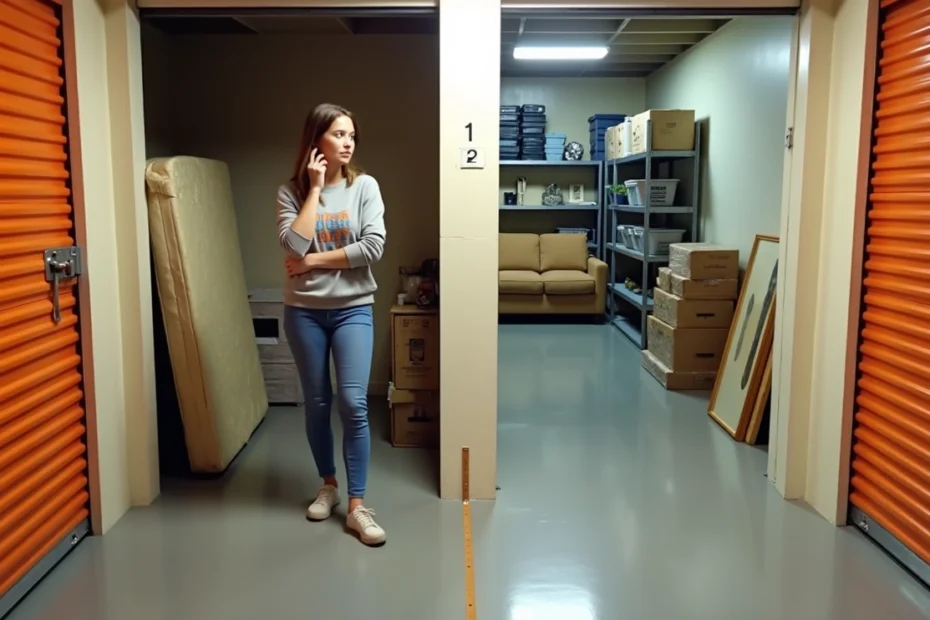
Smart self-storage for students can save you money, since most college students pay for more space than they need. Most storage units can hold a room full of furniture, but students typically need just a 5×5 or 5×10 unit. Small units cost between $30 and $75 monthly, while larger or climate-controlled options can get pricey at $80 to $150 per month.
Size requirements play a vital part in student self-storage decisions. The contents of a small studio apartment fit well in an 8′ PODS container, a 5’×10′ self-storage unit, or a cargo van/10′ truck. Storage companies often try to sell larger units that students don’t need. This piece will help you pick the right college storage solution that matches your needs and helps avoid sizing mistakes that waste money.
Understanding Storage Sizes for Students
Students often pay too much for storage units because they don’t know how much space they really need. The right size unit can save you money, and it’s easier to figure out than you might expect.
Common storage unit sizes explained
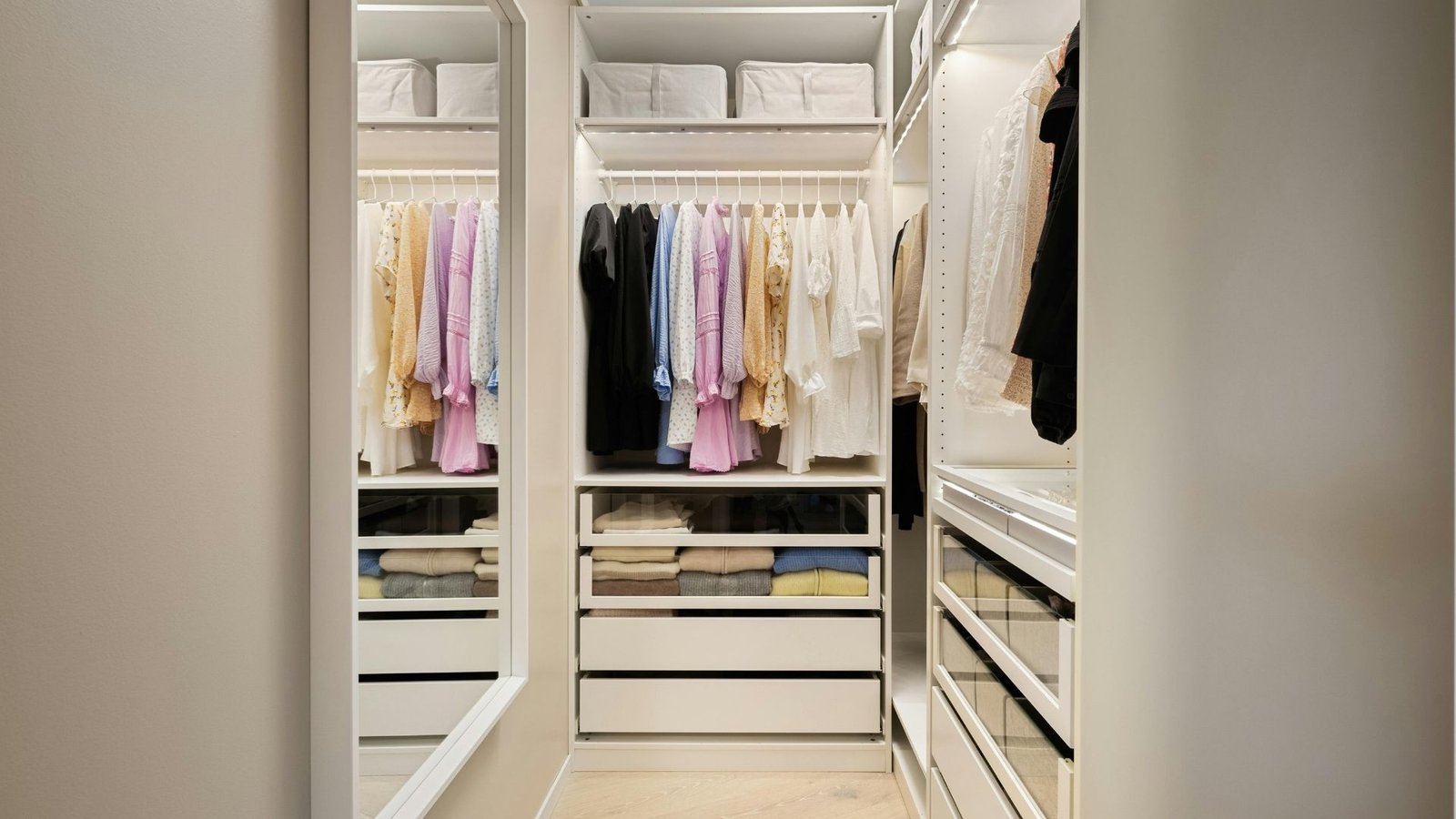
Storage facilities have different unit sizes that fit various needs. The smallest units start at 5’x5′ (25 square feet), which is about the size of a large closet. A 5’x10′ unit (50 square feet) gives you space like a walk-in closet, while a 10’x10′ unit (100 square feet) is about half the size of a one-car garage.
Here’s what you can fit in these common sizes:
- 5’x5′ unit: Up to 20 small boxes – perfect for student storage
- 5’x10′ unit: Everything from a studio or small one-bedroom apartment, including a sofa, desk, queen-sized mattress, and several boxes
- 10’x10′ unit: All your stuff from two bedrooms, including furniture and several medium/large moving boxes
How much space does a student really need?
Storage companies might tell you that you need a big unit, but that’s nowhere near the truth. A 5’x5′ or 5’x10′ unit works great for most students’ dorm room items. These smaller units have plenty of room for boxes, small furniture, and electronics.
Storage experts say students who are storing belongings over summer break or between semesters can get by with locker-sized or 5’x5′ units. If you’re splitting space with roommates, a 10’x10′ unit will give a good amount of room for everyone’s stuff.
Why size matters more than you might think
The wrong storage size hits your wallet hard. A unit that’s too big means wasting money every month on space you don’t use. Pick one that’s too small, and you might end up renting a second unit or upgrading, which costs even more.
The right size also makes your life easier. You can organize everything so it’s easy to find without moving stuff around all the time. A storage facility near your university will give a quick way to grab anything you forgot or need for last-minute projects.
Take stock of what you need to store before you rent a unit. Be honest about what you’ll need to access often and what can stay packed away until next semester.
Comparing Storage Options: Units vs Containers
Students choosing storage options face two main choices: traditional self-storage units or portable containers. The right choice can save you money and prevent hassles throughout your college career.
Self-storage units vs portable containers
Traditional self-storage gives you control of a dedicated space at a fixed location. You’ll need to pack, transport, and unload your belongings yourself, which often means multiple trips or truck rentals. Portable containers make things easier by coming right to your doorstep, so you can pack at your own pace with minimal hassle.
Portable storage shines in accessibility. Your belongings stay at your location, ready whenever you need them, instead of working around facility hours. Self-storage facilities make up for this with better security features like gated access, surveillance cameras, and sometimes on-site management.
What fits in a 5×5, 5×10, and 10×10 unit?
Whatever option you pick, knowing storage capacity is significant:
5×5 units (25 sq ft) are like a large closet that fits up to 10 large moving boxes, a twin or full mattress, a small desk or chair, and seasonal decorations. You could call it “a walk-in closet with ambition”.
5×10 units (50 sq ft) fit a studio apartment’s contents, including a queen mattress set, dresser, nightstands, TV stand with flat-screen, and 20+ large moving boxes. A student described it as fitting “a twin bed, desk, a few bins, one existential crisis avoided”.
10×10 units (100 sq ft) accommodate two bedrooms’ worth of stuff, around 40 large moving boxes, and large household furniture sets. These spaces hold about 50-60 medium-sized boxes plus furniture.
How PODS and SMARTBOX compare for students
Students looking at portable options should know that PODS and SMARTBOX each have their strengths:
PODS offers three container sizes (8′, 12′, and 16′), while SMARTBOX has one wood option measuring approximately 8’×7’×5′. PODS containers come with steel frames and weather-resistant paneling, which protect better than SMARTBOX’s wood construction with canvas covering.
PODS serves locations nationwide and parts of Canada. SMARTBOX operates in about 23 states. SMARTBOX usually costs less, but PODS gets better customer reviews and provides insurance coverage up to $300,000.
Students who need temporary solutions between semesters can use either company. Both store containers in secure facilities until you’re ready for delivery at your new location.
How to Choose the Right Size and Avoid Overpaying
Smart storage planning and careful measurements help you avoid wasting money on excess space. You can save a lot throughout your college years by taking time to figure out what you really need.
Measure your items before renting
Start by creating an inventory of everything you plan to store. Large items need measurements – length, width, and height. Calculate square footage (length × width) or cubic footage (length × width × height). This quick step keeps you from paying for space you won’t use.
Use online storage calculators
Storage companies give you free tools to help. PODS has an interactive calculator that suggests container sizes based on your room count and furniture. Storage facilities also offer calculators that show what fits in different unit sizes.
When to size up vs when to downsize
You might need a bigger unit if you struggle to reach your stuff or have to move things around too much. Think about downsizing if you see space – no point paying for air. Your future needs matter too – upcoming moves or life changes could make extra space worth keeping.
Tips for sharing a unit with roommates
Sharing with friends makes storage much cheaper. Color-code your boxes and put content lists on each container to stay organized. Clear access schedules keep everyone happy. The best way to maintain friendships is to talk about payment responsibilities right from the start.
Smart Packing and Space Optimization Tips
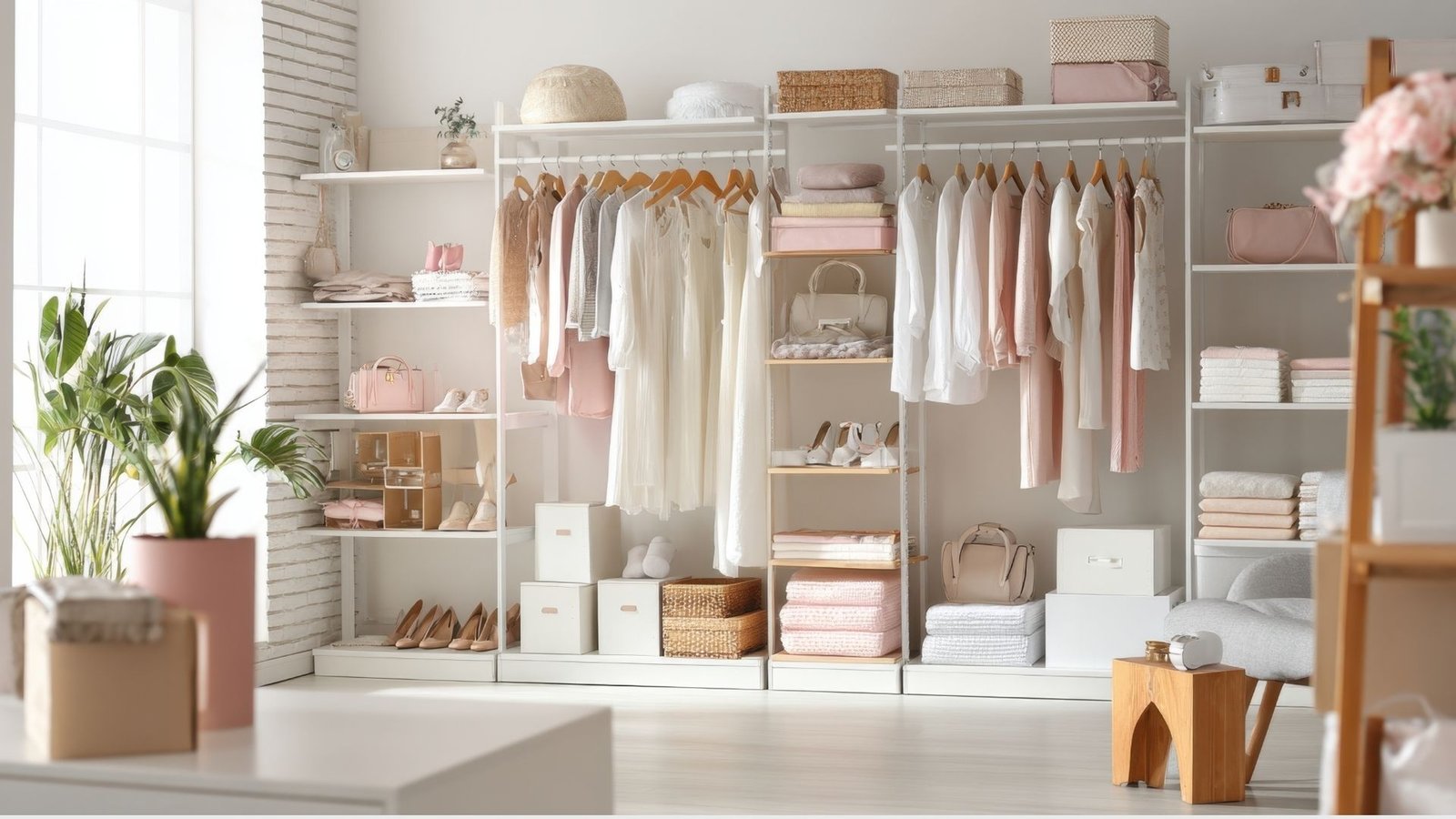
A smart organization makes a huge difference in maximizing your student self-storage space. You can store surprising amounts of belongings in even the smallest units with strategic packing.
Stacking and vertical space usage
Your storage success depends on thinking upward, not just outward. Storage units are typically nine feet tall, which gives you plenty of vertical space. The best approach starts with larger furniture pieces like couches or bookshelves at the bottom. This creates a solid base for stacking lighter items. Shelving units help distribute weight evenly and create multiple levels for organization. Stability comes from keeping heavier items on the bottom shelves while lighter ones go on top.
Leave room for access if needed
A small aisle down the center or along one side of your unit proves invaluable. This smart approach saves time because you can access items in the back without moving everything around. Frequently needed items should stay near the front, while seasonal belongings work better toward the rear. Clear plastic bins make spotting contents much easier than cardboard boxes.
What not to store in student self-storage
These items should never go into storage:
- Perishable food (attracts pests)
- Hazardous/flammable materials
- Pets or living things
- Wet items (cause mildew)
- Irreplaceable or sentimental items
Climate control: when is it worth it?
Climate-controlled units typically maintain temperatures between 50-80°F year-round. The extra cost brings valuable protection for electronics, wooden furniture, mattresses, books, leather products, important documents, and collectibles. This protection becomes essential, especially when you have high humidity, which can damage sensitive belongings.
Conclusion
The right storage solution for your college years depends on honest planning and knowing what you need. Most students can fit their stuff in 5’x5′ or 5’x10′ units, saving $50-$100 monthly compared to larger options. These savings add up a lot over several semesters.
You’ll find security and easy access with self-storage units, while portable containers bring everything right to your door. Whatever option you pick, measuring your items helps avoid extra costs. Online calculators can give you the exact space you need without guessing.
Good packing makes a huge difference. You can maximize even the smallest units by using vertical space, creating paths, and staying organized. Climate control gets pricey but protects valuable electronics, wooden furniture, and important documents – especially when you store items long-term or live in humid areas.
Storage decisions can affect your wallet more than you think. A right-sized unit saves money and makes getting to your stuff easier. Take inventory before signing any contract. Ask if each item is worth the storage cost or if selling, donating, or leaving it with family works better.
Your storage needs change throughout college. What fits in freshman year might not work by graduation. Stay flexible and check your storage setup each year. The best storage option gives you the right mix of cost, convenience, and security. With these tips, you won’t waste money on space you don’t need.