
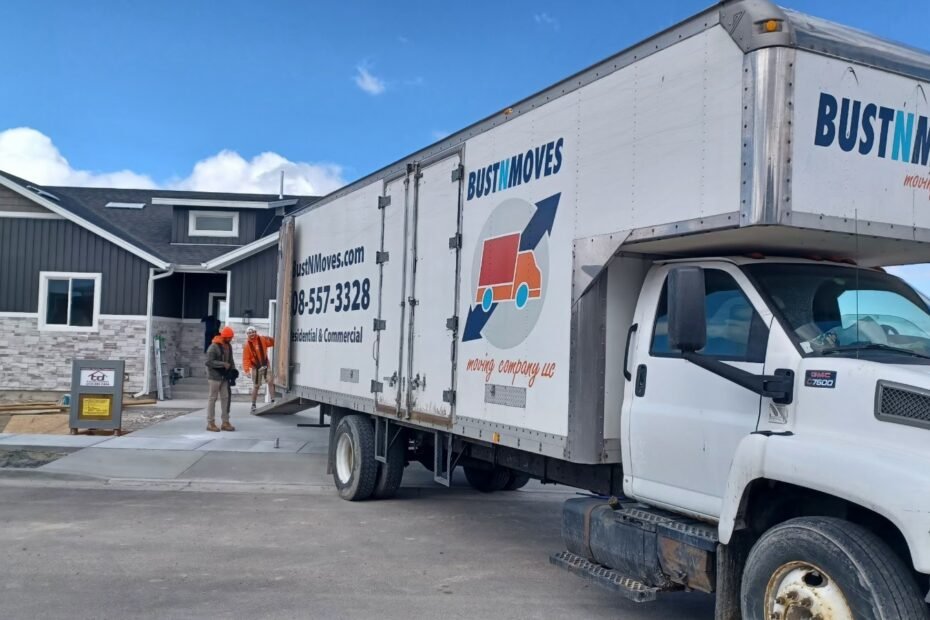
You’re running a moving company. It’s 2 PM on a Tuesday, and you’re in the middle of supervising a three-bedroom house move when your phone starts buzzing. Five missed calls. Three voicemails. A dozen text messages asking for quotes. By the time you finish the job and get back to these leads, half of them have already booked with your competitor down the street.
Sound familiar?
This isn’t just an inconvenience—it’s a revenue leak that’s costing moving companies thousands of dollars every month. And it’s exactly the kind of problem that artificial intelligence was built to solve.
The Real Cost of Missed Opportunities
Let’s talk numbers. The average moving company loses 30-40% of potential customers simply because they don’t respond fast enough. When someone needs a mover, they’re usually calling 3-5 companies. The first one to provide a clear quote and answer their questions? That’s who gets the job.
Your crews are busy doing actual moves—which is exactly where they should be. But while they’re loading boxes and maneuvering furniture down tight staircases, your competitors with better phone coverage are scooping up the customers who couldn’t reach you.
The math is brutal. If you’re getting 50 inquiry calls per week and losing 40% because of slow response times, that’s 20 jobs you never had a chance at. At an average job value of $800, you’re watching $16,000 walk away every single week. That’s over $800,000 per year in lost revenue.
Why Traditional Solutions Fall Short
Many moving company owners have tried to solve this problem before:
Hiring more office staff? Expensive, and they still can’t work 24/7. You’re paying salary and benefits for someone who’s idle during slow periods and overwhelmed during peak moving season.
Answering services? They can take messages, but they can’t answer specific questions about your services, provide accurate quotes, or actually book the job. Customers hang up and call the next company.
Complicated CRM systems? They require extensive training, your crew won’t use them consistently, and they don’t actually solve the response time problem.
The fundamental issue remains: when you’re busy doing the work, you can’t simultaneously sell the next job. And when you’re focused on sales and scheduling, the actual moves suffer. An automated dispatcher changes everything.
How AI Changes the Game
Artificial intelligence isn’t science fiction anymore. It’s a practical business tool that’s helping moving companies solve real operational problems right now.
Here’s what modern AI can actually do for your moving business:
Answer customer calls 24/7. Someone calls at 11 PM on Sunday night? Your AI assistant picks up, answers their questions, and captures their information. When you check your dashboard Monday morning, you’ve got a qualified lead waiting—while your competitors are just getting their first voicemail.
Provide instant, accurate quotes. AI systems can be programmed with your pricing structure, service areas, and availability. They can walk customers through the details of their move and provide a preliminary quote on the spot. No waiting, no back-and-forth email chains that go nowhere.
Qualify leads automatically. Not every caller is a good fit for your business. AI can identify which jobs align with your services, which customers are in your service area, and which opportunities are worth your personal attention. It filters out the time-wasters so you can focus on real business.
Schedule appointments without the phone tag. Customers can book initial consultations or reserve moving dates directly through an AI-powered system that knows your crew’s availability. No more playing phone tag for three days trying to find a time that works.
Follow up automatically. Provided a quote but haven’t heard back? AI can send personalized follow-up messages at the right intervals, keeping you top-of-mind without you having to remember or manually send every email.
Real-World Impact: What Moving Companies Are Seeing
Moving companies that have implemented AI solutions are reporting significant changes to their bottom line:
- Response rates improve dramatically. When you respond to inquiries within 5 minutes instead of 5 hours, your booking conversion rate can jump from 20% to 50% or higher.
- After-hours bookings become a reality. One regional moving company found that 35% of their customer inquiries were coming in outside of business hours. Before AI, these were all lost opportunities. Now they’re captured and converted.
- Staff focuses on high-value activities. Instead of spending hours playing phone tag and answering the same basic questions, your team can focus on providing excellent service to current customers and handling complex situations that actually require human expertise.
- Seasonal fluctuations become manageable. During peak moving season, you don’t need to hire temporary office staff who need training. Your AI scales instantly to handle increased inquiry volume.
The Storage Connection: An Additional Revenue Stream
Here’s something most moving companies miss: a significant percentage of your customers need storage solutions. Maybe they’re downsizing and need a place for extra furniture. Maybe there’s a gap between move-out and move-in dates. Maybe they’re relocating across the country and need temporary storage.
When you can’t immediately connect these customers with storage options, you’re leaving money on the table—and they’re going to find a storage facility on their own, without you getting a referral fee or offering it as an add-on service.
AI systems can identify storage needs during the initial conversation and either book storage as part of the moving package or connect customers with storage partners. This creates an additional revenue stream without any extra work on your part.
Getting Started Doesn’t Mean Overhauling Everything
One of the biggest misconceptions about AI is that implementing it means replacing your entire operation or spending six months on complex integration. That’s not how it works.
The most effective AI implementations start small and focused:
- Begin with after-hours coverage. Let AI handle calls and inquiries when you’re closed. This alone captures leads you’re currently losing without changing anything about your daytime operations.
- Automate your most common questions. You answer the same questions a hundred times: “Do you work weekends?” “How much does a three-bedroom move cost?” “Do you provide packing materials?” AI can field these automatically, escalating only when needed.
- Implement smart scheduling. Let AI manage appointment booking for estimates and consultations based on your actual availability.
- Add follow-up automation. Stop losing deals because you forgot to follow up. AI sends the right message at the right time to every lead.
These aren’t hypothetical capabilities. These are tools working for moving companies today, right now, generating real returns.
The Competitive Advantage Window Is Closing
Here’s the reality: AI adoption in the moving industry is still early, but it’s accelerating fast. The moving companies implementing these tools today are gaining a significant competitive advantage. They’re capturing leads their competitors are missing. They’re providing better customer experiences. They’re operating more efficiently.
But this window won’t stay open forever. In two years, AI-powered customer service will be the baseline expectation, not a competitive differentiator. The moving companies that wait will find themselves scrambling to catch up while their AI-equipped competitors have already locked in market share.
What This Means for Your Business
If you’re still relying solely on traditional methods—answering calls when you can, taking voicemails when you can’t, manually following up on leads when you remember—you’re competing with one hand tied behind your back.
Every missed call is a customer you’ll never serve. Every delayed quote is a job that goes to whoever responded faster. Every lead that falls through the cracks is revenue you’ve worked hard to attract through marketing and reputation, then lost for no good reason.
AI doesn’t replace what makes your moving company great. It doesn’t replace your experienced crews, your customer service, or your reputation in the community. What it does is make sure those strengths actually get a chance to win the business.
It captures the opportunities you’re currently missing. It handles the repetitive tasks that drain your time. It ensures that when someone needs a mover and thinks to call you, that call turns into a booking instead of a missed opportunity.
The Bottom Line
The moving business is tough enough without leaving money on the table. You’ve invested in trucks, equipment, and trained crews. You’ve built a reputation. You’ve got systems that work.
AI isn’t about throwing all of that away. It’s about making sure all of that hard work actually translates into maximum revenue. It’s about capturing every opportunity, not just the ones that happen to come in when you’re available to answer the phone.
The question isn’t whether AI will change the moving industry. It already is. The question is whether you’ll be ahead of the curve or playing catch-up.
Your competitors are making their move. What’s yours?