

As of mid-2026, the U.S. self-storage market is stabilizing after years of post-pandemic volatility, with occupancy rates climbing to 78.1% in Q2 and move-in rates up 4.6% for standard 10×10 units. EasyStorageSearch.com helps you find the best facilities fast—explore current trends, pricing insights, and expert tips to choose the right storage for your needs this summer.
Market Snapshot: Recovery and Stabilization
The U.S. self-storage industry, valued at $47.28 billion in 2026, is projected to grow to $57.79 billion by 2031 at a 4.1% CAGR, driven by urbanization, e-commerce demand, and residential mobility. National occupancy rose to 78.1% in Q2 2026, up 1.4 points from Q1, with average tenant stays extending by more than a month compared to 2025.
Advertised rates have declined slightly year-over-year (-0.2% to -2.0% depending on region), but month-over-month rents grew 1% as the sector entered the busy spring leasing season. The Midwest and Northeast posted the strongest occupancy gains (+1.7 points each), while the West remained the highest-occupied region overall at 80.4%.
Construction starts are down 29% from 2025 levels, reducing pressure on new supply and allowing markets to absorb existing inventory. This rebalancing favors renters by offering more options and more competitive pricing in many markets.
Key Trends Shaping 2026 Storage
Climate-Controlled Units Surge
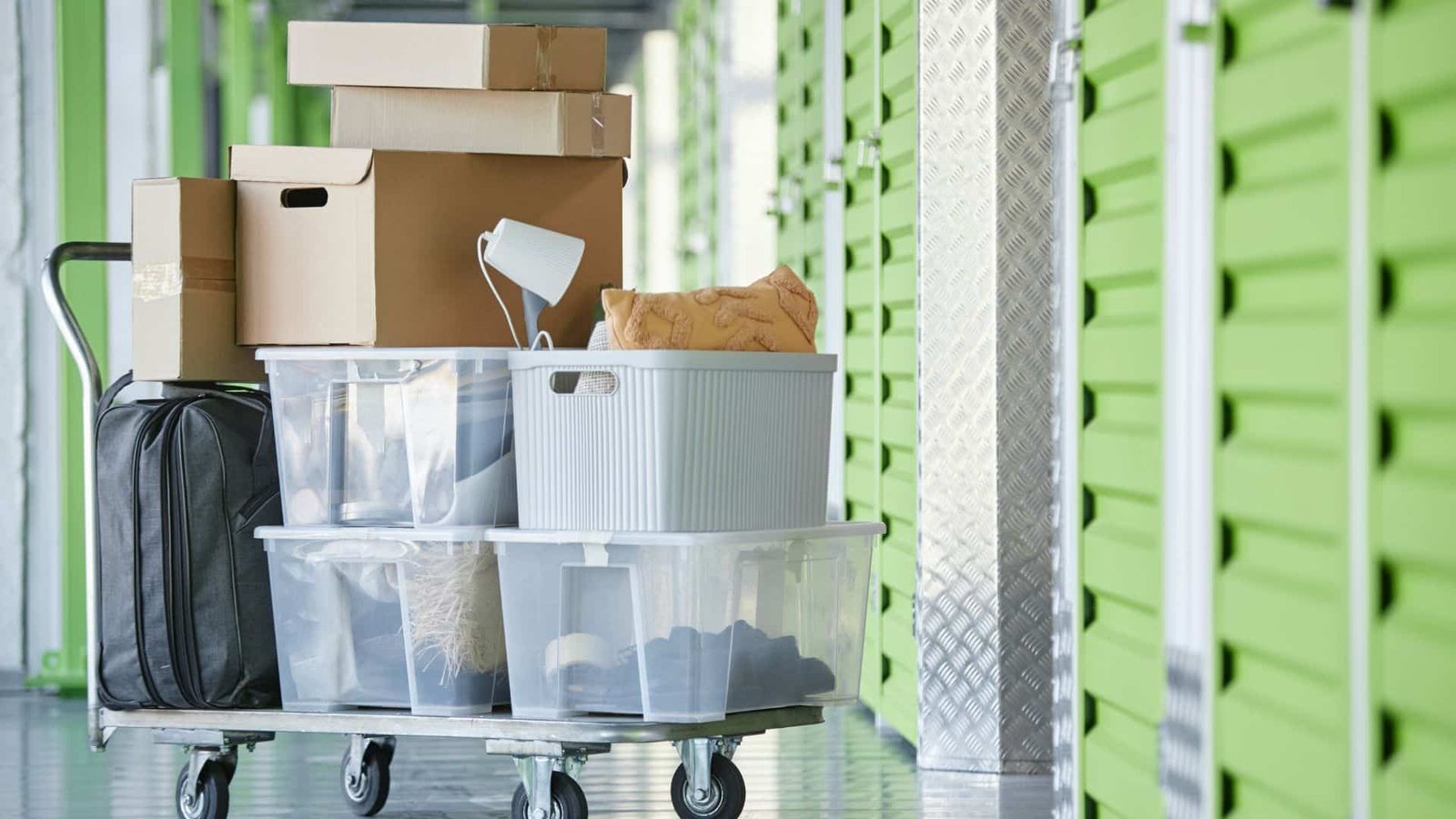
Climate-controlled storage demand is growing 1.1% annually, particularly in hurricane corridors (Southeast, Gulf Coast) and wildfire zones (West Coast) where weather-related loss mitigation drives renters to protect valuables. These units command 10-20% premiums but offer essential protection for electronics, documents, and furniture.
E-Commerce and Business Storage
E-commerce micro-fulfillment demand adds 1.1% to CAGR forecasts, with small businesses using storage units for inventory, packaging stations, and last-mile logistics hubs. Many facilities now offer business-friendly perks like loading docks, Wi-Fi, and extended access hours.
On-Demand Valet Storage
Urban markets like New York, San Francisco, and Los Angeles are seeing growth in on-demand valet storage platforms, where companies pick up, store, and deliver items on request—adding 0.3% to long-term growth projections.
Choosing the Right Unit Size
Selecting the correct unit size saves money and prevents overcrowding. Here’s a quick guide:
| Unit Size | Best For | Typical Contents |
|---|---|---|
| 5×5 (25 sq ft) | Small items, boxes | 5-10 boxes, small furniture |
| 5×10 (50 sq ft) | Studio apartment | Mattress, sofa, 10-15 boxes |
| 10×10 (100 sq ft) | 1-bedroom apartment | Full bedroom set, appliances, 20-30 boxes |
| 10×15 (150 sq ft) | 2-bedroom home | Furniture from multiple rooms, 30-50 boxes |
| 10×20 (200 sq ft) | 3-bedroom house | Large furniture, vehicles, 50+ boxes |
For detailed guidance on selecting the perfect unit size, check out our in-depth guide on Choosing the Right Storage Unit Size and Storage Packing Tips for Maximum Space.
Regional Pricing and Availability
West Coast (California, Oregon, Washington)
Highest occupancy at 80.4%, but advertised rates remain under pressure (-2.0% year-over-year in March). Urban cores like San Francisco and Los Angeles see premium pricing for climate-controlled and valet options.
Sun Belt (Texas, Florida, Arizona)
Aggressive development has created oversupply in some markets, driving competitive pricing. However, rising residential migration (+0.7% CAGR impact) is absorbing inventory, particularly in Texas, Florida, and North Carolina.
Midwest and Northeast
Strongest Q2 occupancy gains (+1.7 points each) indicate recovering demand. Stable urban cores with constrained supply maintain pricing power, while suburban markets offer value options.
Cost-Saving Tips for Renters
Book Early, Lock Rates
Month-over-month rent growth of 1% means early bookings secure better rates before spring/summer peak season. Many facilities offer first-month discounts or waive admin fees for new tenants.
Choose Street-Level Units
Ground-floor units often cost 10-15% less than upper floors, with easier access for frequent visits. Ideal for business users and frequent movers.
Bundle Insurance
Facility-offered insurance plans often cost less than third-party policies, bundling coverage with your rental agreement for simplicity and savings.
Negotiate Long-Term Leases
While most storage is month-to-month, committing to 6-12 months can unlock 5-10% discounts at some facilities, especially in oversupplied markets.
Security and Safety Features to Prioritize
When comparing facilities, prioritize these security features:
- 24/7 Video Surveillance: Deters theft and provides evidence if needed
- Gated Access with Codes: Limits entry to authorized tenants only
- Individual Unit Alarms: Alerts management to unauthorized access
- On-Site Management: Staff presence during business hours
- LED Lighting: Well-lit facilities improve safety and visibility
Climate Considerations
If storing sensitive items (electronics, wood furniture, documents, clothing), climate-controlled units are essential in regions with extreme humidity or temperature swings. These units maintain consistent temperature (55-85°F) and humidity (30-50%), preventing mold, warping, and corrosion.
For more on protecting your belongings, see our guide on Climate-Controlled vs. Standard Storage: What You Need to Know.
Business Storage Solutions
Small businesses increasingly use self-storage for:
- Inventory Overflow: E-commerce sellers storing excess stock
- Equipment Storage: Contractors keeping tools and materials
- Document Archives: Secure, climate-controlled records storage
- Pop-Up Retail Prep: Staging areas for seasonal businesses
Look for facilities with business amenities like loading docks, Wi-Fi, conference rooms, and extended access hours to maximize productivity.
Moving and Packing Best Practices
Pack Smart
- Use uniform box sizes for easy stacking
- Label boxes clearly with contents and room
- Disassemble furniture to save space
- Wrap fragile items in bubble wrap or blankets
Maximize Space
- Stack boxes floor-to-ceiling (heaviest on bottom)
- Use shelving units for vertical storage
- Leave a walkway for access to items in back
- Store seasonal items in hard-to-reach areas
Protect Valuables
- Elevate items off concrete floors with pallets
- Cover furniture with breathable fabric (not plastic)
- Use moisture absorbers in non-climate units
- Insure high-value items separately
Future Outlook: What’s Next for Self-Storage?
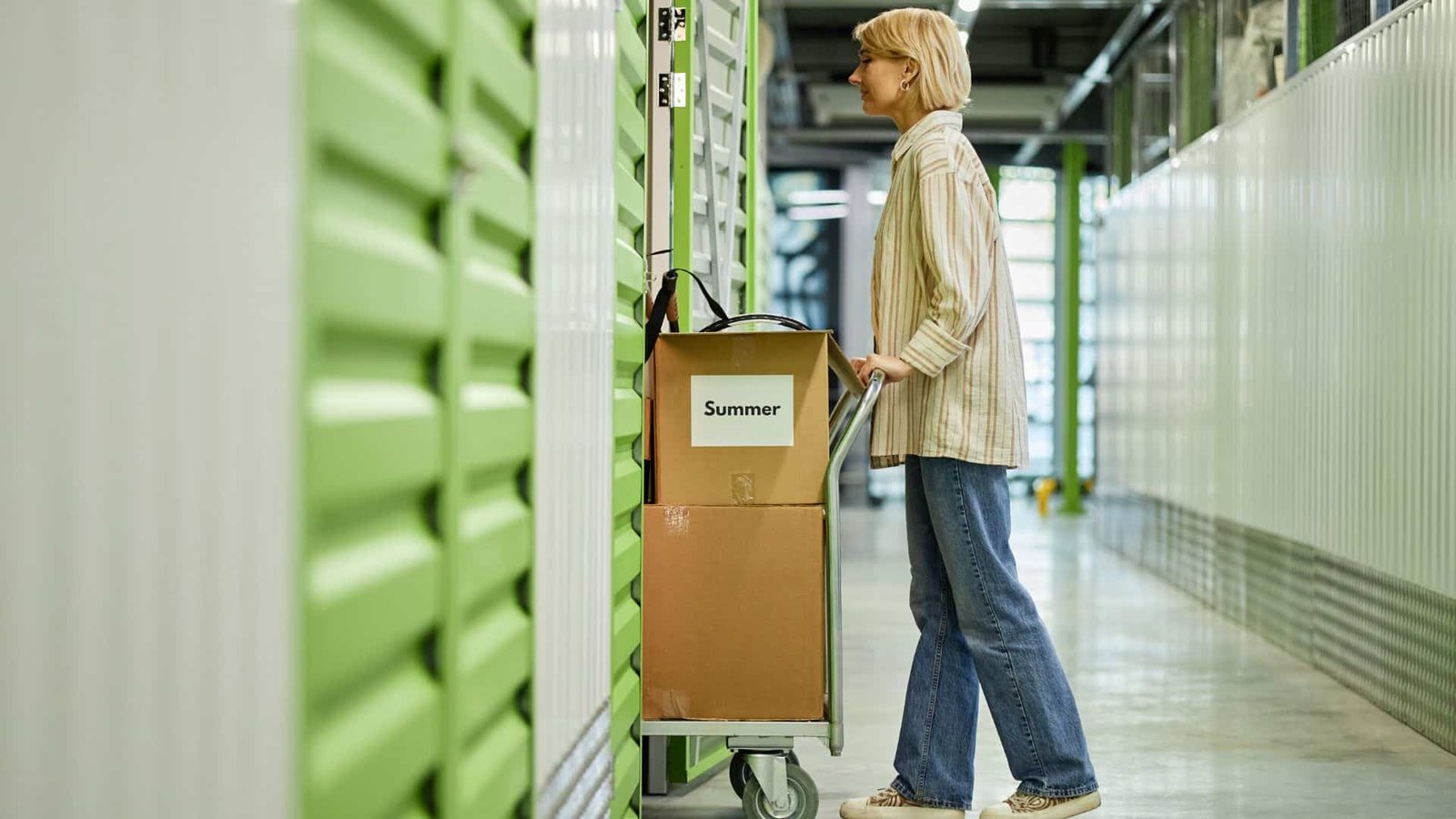
By 2031, the U.S. self-storage market is expected to reach $57.79 billion, with adaptive reuse of distressed retail and office properties adding 0.8% to growth as facilities convert vacant spaces to storage. Technology integration (smart locks, app-based access, AI pricing) will become standard, improving convenience and security.
Rising residential mobility and migration rates (+0.7% CAGR impact) will continue driving demand in Sun Belt states, while urban cores benefit from space-constrained living and e-commerce growth.
Why EasyStorageSearch.com?
EasyStorageSearch.com aggregates thousands of U.S. facilities, filtering by location, size, price, climate control, security features, and special offers. Our platform saves time versus manual searches, with real-time availability, pricing, and customer reviews.
Whether you’re downsizing, moving, remodeling, or running a business, EasyStorageSearch.com helps you find the perfect storage solution in minutes. Use our tools to compare options, book online, and get the best deals in your area.
For authoritative market insights, see Yardi Matrix’s 2026 Self-Storage National Investment Outlook, providing detailed analysis on supply, demand, and pricing trends across U.S. markets.
Start your search today with EasyStorageSearch.com—find the right storage, at the right price, in your neighborhood.