
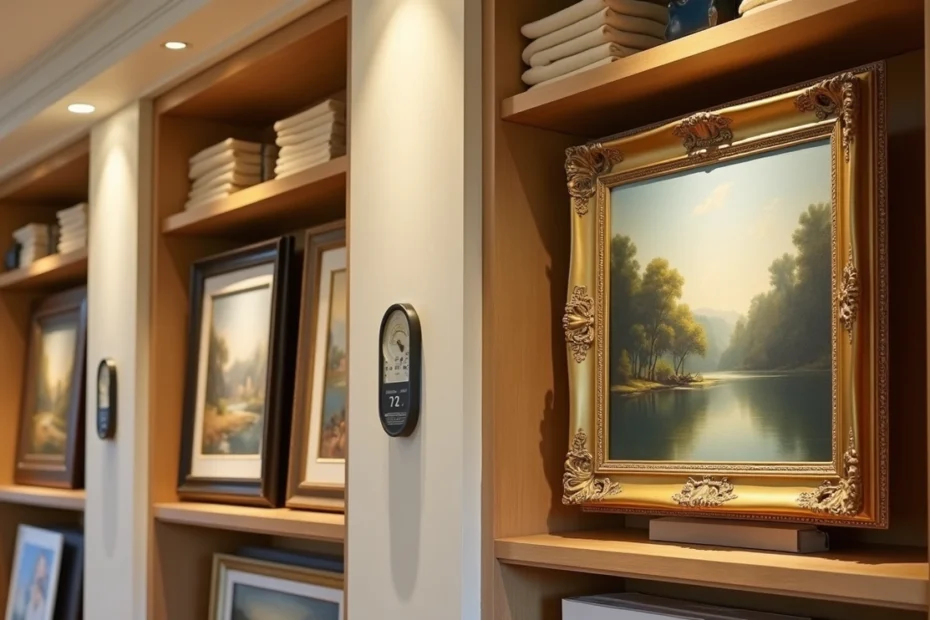
Your artwork could suffer irreversible damage without proper knowledge of how to store paintings at home. The Metropolitan Museum of Art maintains one of the world’s largest art collections and has shared preservation guidelines since the 1940s to protect valuable pieces. You need to understand the basics of art preservation to protect your cherished wall art or collection.
The right temperature and humidity levels play a crucial role when storing your art collection. The best storage conditions maintain 70-75 degrees Fahrenheit (21-24 degrees Celsius) with humidity between 40-50%. Big swings in climate can lead to cracked paint, warping, yellowing of paper, and mold growth. Art experts suggest keeping humidity changes under 5% in 24 hours, whatever the artwork’s age or composition. This piece explores storage methods for framed paintings, canvas protection techniques, and professional practices that help preserve your art’s beauty and value for years ahead.
How to choose the right space to store paintings at home
Your artwork’s integrity and value depend on picking the right storage space in your home. The spot you choose can protect your paintings or speed up their deterioration.
Avoid attics, basements, and exterior walls
Attics and basements might look like good storage options at first glance. They’re actually the worst places for your valuable artwork. Heat and dryness plague attics, while basements suffer from dampness and flooding risks from groundwater leaks and overhead pipes. These spaces create harsh temperature fluctuations and humidity changes that make paint crack and canvases warp.
On top of that, it’s risky to store art near exterior walls. Temperature and relative humidity keep changing near these walls. Moisture becomes a real threat, especially when you have poor insulation or missing vapor barriers. Your paintings can suffer damage over time, even in a finished room with an exterior wall.
Why interior rooms are safer for art
Interior rooms shield your art better from outdoor temperature swings and moisture. You could turn a small office or closet in your home’s central area into an art storage space. These rooms stay more stable, which matters because paintings have different layers that respond uniquely to environmental changes. A flexible canvas expands and contracts with humidity, while rigid oil paint layers can crack.
The best storage room sits completely inside your house. This setup removes risks from windows that let in harmful sunlight and weather changes. Your art will stay in better shape if you keep the relative humidity between 40-60%, much like comfortable living conditions for people.
Managing air vents, dust, and mold risks
Smart air management plays a vital role in home art storage. Watch out for air vents blowing straight onto artwork. You might need to ask a specialist about installing a deflector if your storage space has vents. Good air circulation helps stop mold, but direct airflow can dry things unevenly and cause damage.
Dust and mold can seriously harm paintings. Dust carries fungal spores and feeds mold growth. Mold damage gets worse fast if left unchecked – you’ll spot fuzzy, colored patches and might smell something musty.
Here’s how to protect your art:
- Keep storage areas clean and dust-free
- Make sure ventilation works without blowing air directly on paintings
- Check regularly for musty smells that might mean mold
- Use dehumidifiers where dampness is an issue
Your art investment’s future depends on choosing the right storage space in your home. This first step matters more than anything else to protect your pieces for years ahead.
How to prepare your paintings before storage
The right storage location matters just as much as how you prepare your artwork. These steps will keep your paintings in pristine condition while they’re stored away.
Clean surfaces with proper materials
Start by cleaning your artwork gently with the right materials. A soft-bristled brush works best to remove surface dirt and dust. Don’t use household cleaners or harsh chemicals on painted surfaces unless you’re a trained art conservator. Even gentle cleaning can damage artwork over time due to friction. It’s better to dust lightly and less often than to clean too hard. Make sure to wear nitrile gloves while handling to keep skin oils off the artwork.
Avoid plastic wrap and use acid-free materials
Plastic wrap might seem like a good choice, but it’s actually one of the worst materials you can use to store paintings. It creates a moisture trap against the artwork that can lead to mold and serious damage. The better option is to wrap paintings in acid-free tissue paper, glassine, or breathable natural fabrics. These materials protect from dust and minor scratches while letting air circulate naturally.
Use a crescent board and padding for separation
The crescent board works great when you need to store multiple pieces together. These acid-free, rigid boards keep paintings from touching each other. You can also use padded blocks to raise paintings during short-term storage. When you pack artwork in boxes, stuff all empty spaces with foam or acid-free packing paper. This stops movement during handling. Unframed canvases need this extra care – they should have a backing board for support and rigidity.
Check for existing damage before packing
Look at your artwork carefully under good light before you store it. Watch out for flaking paint, cracks, bubbles, or canvas damage. You should also check for mold or mildew signs – they show up as fuzzy, colored spots and usually smell musty. Make notes about any existing damage you spot. This helps you track if things get worse in storage. The best way to handle paintings is by their frames – never touch the canvas directly.
Maintaining the right climate for art storage
Climate control is the lifeblood of protecting art at home. Your artwork needs the right spot and specific environmental conditions to last longer.
Ideal temperature and humidity levels
The right temperature and humidity levels matter a lot to store paintings at home. The University of Delaware suggests keeping temperatures between 64-72°F (18-24°C). Expert recommendations put the ideal humidity between 40-55%. Your paintings might dry out and crack if the humidity drops below 35%. High levels above 65% can let mold grow on your artwork.
Why rapid changes are dangerous
Quick environmental changes hurt artwork more than steady but imperfect conditions. Materials in your art react differently as temperature or humidity changes. The canvas stretches and shrinks with moisture while the paint stays stiff. This creates stress inside that can crack, warp, or separate the paint. These tiny cracks get bigger as time passes. The best protection comes from keeping changes under 5%.
Special considerations for modern vs. antique art
Each type of art needs its own climate care. Oil paintings tend to last longer than other types. Acrylic paintings don’t handle cold well and become brittle around 5-10°C. This happens much sooner than oil paintings that stay flexible down to -5°C. Old wooden panel paintings need extra care with humidity changes. You might want special frames with buffering agents for these delicate pieces to keep ideal RH conditions. Hardboard panels, which artists started using in the late 19th century, handle humidity changes better.
Smart storage methods to protect your art
Your art collection’s last defense lies in smart storage solutions. The right physical storage makes a huge difference in preserving your artwork, even with perfect climate control and preparation.
Why art should never touch the floor
Artwork needs to stay off the floor to preserve it properly. Your paintings must have support at least 7–10 cm (3–4 in.) above the floor that protects them from dirt, dust, and water damage. Placing art at floor level puts it at risk from people walking by, falling objects, or items accidentally placed on top. You should use skid-proof padded blocks to prevent slipping, even for temporary stacking.
Using shelves, risers, or hanging systems
Here are the best options to store your art:
- Slotted storage racks – These give each fragile piece its own compartment with adjustable shelves that hold up to 250 pounds each
- Vertical storage – This keeps pieces upright and reduces warping risk with padded dividers that stop artworks from touching
- Hanging systems – GalleryOne and similar systems support up to 66 pounds using sleek wall tracks with various hook options
Durable risers lift canvases above work surfaces safely. These supports help pieces dry faster without sticking by minimizing contact points.
How to store framed paintings at home safely
Your framed artwork should stay vertical to reduce pressure on frames. Wrap each piece in acid-free paper before storage instead of plastic or bubble wrap that traps moisture. You can add foam or soft fabric padding behind frames that cushions against impact or vibrations.
When to think about professional storage facilities
Your growing or valuable collection might need professional storage. These facilities keep museum-standard climate control (70°F, 50% humidity) and tight security protocols. They offer viewing rooms, photo shoots, digitizing, and trained art handlers. The buildings serve only one purpose and have backup generators that protect your artwork during power outages.
Conclusion
The right art storage practices can protect your valuable collection from deterioration over time. This piece explores ways to protect your artwork investment while keeping it available in your home.
Location affects your artwork by a lot. Your paintings need a stable environment in interior rooms. Attics, basements, and exterior walls can pose serious risks. You need to manage to keep consistent temperature and humidity levels to prevent damaging expansion and contraction cycles that lead to cracked paint and warped canvases.
Good preparation before storage helps preserve your art just as much. Acid-free materials let paintings “breathe” better than plastic wrap while protecting them from dust and damage. A thorough cleaning and inspection help you track any changes during storage.
The way you physically store your art can make it last longer. Your artwork will stay in better condition with vertical storage, proper spacing between pieces, and appropriate shelving systems. Make sure to lift the artwork off the floor.
These storage principles work the same whether you own a few personal pieces or valuable investments. The effort you put into these practices now will, without doubt, pay off in beauty and value over the last several years. Professional storage facilities are worth thinking about if your collection outgrows your home storage space.
Art preservation goes beyond protecting monetary value—it safeguards each piece’s cultural, historical, and emotional significance. You now have what you need to become skilled at protecting your artistic treasures.