
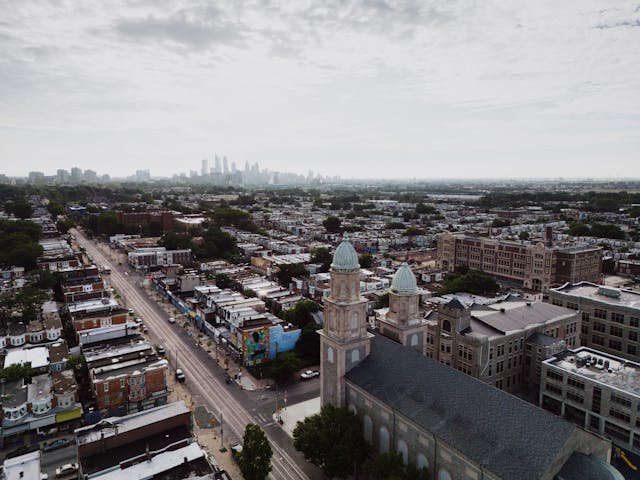
Moving into a historic Philly rowhouse often begins with excitement shaped by charm, location, and visual character. Tall windows, original brick, and tree-lined blocks create a strong emotional pull. What many buyers do not realize is how quickly charm turns into responsibility. Old construction incurs age-related costs that emerge gradually and repeatedly. These homes were built for a different time, with different expectations around comfort, storage, and utilities. The purchase price rarely reflects the full cost of ownership. Without clear awareness, new owners face stress that feels avoidable in hindsight.
Daily Routines Change
Relocating into old homes reshapes everyday habits in subtle but lasting ways. Narrow layouts can significantly impact how you navigate through rooms. Staircases feel steeper and require more attention. Kitchens lack the counter space expected today. Bathrooms may feel tight even after updates. Simple tasks take longer and require adjustment. Furniture placement becomes restrictive rather than flexible. These daily compromises do not ruin the experience, but they demand patience.
Over time, residents learn to work with the structure rather than against it, although the adjustment period often lasts longer than expected.
Storage Shortfalls
Rowhouses rarely offer built-in storage that supports modern living. Closets appear shallow or oddly placed. Basements may exist, but feel damp or unfinished. Attics often lack safe access. During unpacking, extra space can come in handy to prevent overcrowding. Explore some of the best ways to use short-term storage during your Philly move to hold seasonal items, spare furniture, or renovation supplies. This buffer allows rooms to stay usable while decisions happen gradually. Without this option, clutter quickly becomes overwhelming in compact interiors.
Infrastructure Costs Lurking Behind Updated Interiors
Fresh paint and renovated kitchens often hide aging systems. Plumbing lines may contain outdated materials that corrode from the inside. Electrical capacity can struggle under modern appliance loads. Heating systems may rely on outdated distribution methods. These issues rarely surface during inspections. Problems appear once daily use begins. Repairs often require opening walls and floors, which increases labor time. Because materials must match existing construction, costs rise further.
Infrastructure updates become some of the most expensive surprises for new rowhouse owners. Delays also disrupt daily routines, as essential rooms may remain unusable while work is underway.
Regulations You Must Know
Historic districts enforce rules that affect moving day. Permits may be required for temporary parking. Street width limits truck size. Sidewalk protection rules restrict equipment use. These factors influence timing and cost. Understanding what to know before hiring movers helps prevent delays or fines. Movers without local experience may underestimate these challenges.
Coordination with the city becomes necessary in many cases. Without preparation, move-in day can stretch longer than planned, creating stress that overshadows what should feel like a milestone moment.

Temperature Control Challenges Across Narrow Floorplans
Rowhouses struggle with even temperature control. Heat sources often sit far from rear rooms. Upper floors trap warm air in summer. Radiators may overheat one space while leaving another cold. Central air installation requires ductwork that old framing cannot easily support. Many owners rely on supplemental solutions to maintain comfort. These additions raise energy bills and require ongoing maintenance. Temperature imbalance becomes part of daily life, especially during seasonal extremes common in Philadelphia. For many buyers, this reality only becomes clear after moving into a historic Philly rowhouse and living through a full year of weather changes.
Noise Transfer Through Shared Walls
Shared walls connect rowhouses tightly. Original construction focused on durability, not sound isolation. Voices, footsteps, and music travel easily. Privacy feels reduced compared to detached homes. Over time, this awareness affects routines and schedules. Soundproofing improvements exist but require interior construction. Many buyers underestimate how noticeable shared noise becomes. While most neighbors adapt through courtesy, noise remains one of the most common long-term complaints tied to rowhouse living.
This constant awareness can influence work-from-home habits, sleep quality, and how freely residents use their own space.
Material Preservation Demands Consistent Spending
Original wood, brick, and plaster require regular care. Moisture affects aging materials more quickly. Paint peels faster on old surfaces. Brick mortar requires repointing to prevent damage. Replacement materials must match the historic appearance, which increases cost. Skilled labor familiar with preservation standards charges more.
Maintenance does not feel optional. It becomes a predictable expense that repeats year after year, shaping long-term ownership budgets in ways many buyers overlook.
Access Issues Require the Best Moving Companies
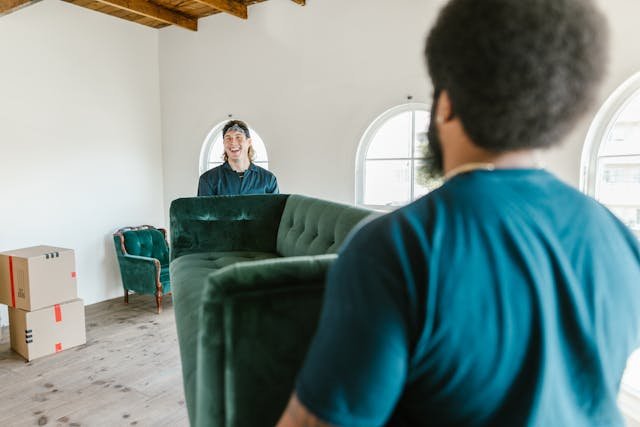
Historic blocks present logistical challenges. Narrow streets restrict vehicle access. Parking enforcement varies by block. Brick steps and iron railings are easily damaged. Hiring from the best Philadelphia moving companies reduces risk during transport. Experience with rowhouse entryways matters. Skilled crews plan around tight turns and steep stairs. This expertise protects the property and avoids costly repairs. Cheap moving services often lead to damage that outweighs any upfront savings.
One-Time Charm Creates Ongoing Lifestyle Tradeoffs
Rowhouse living delivers character but limits flexibility. Layout changes face restrictions. Storage remains tight even after renovations. Outdoor space often feels limited. Daily routines require compromise. Owners trade convenience for atmosphere. Those who value character adapt well. Others feel constrained over time. Understanding these tradeoffs before purchase helps align expectations. Satisfaction depends less on aesthetics and more on how well lifestyle needs match the structure. Clear priorities make it easier to decide whether charm supports your daily life or slowly creates friction.
Why Moving Into a Historic Philly Rowhouse Requires Foresight
Owning history carries responsibility beyond surface beauty. Moving into a historic Philly rowhouse demands realistic planning, financial flexibility, and patience. Silent costs emerge through daily living, maintenance, and regulation. Buyers who prepare feel confident rather than surprised. Awareness turns challenges into informed choices. With clear expectations, historic living becomes meaningful rather than frustrating. The difference lies not in charm, but in preparation.