
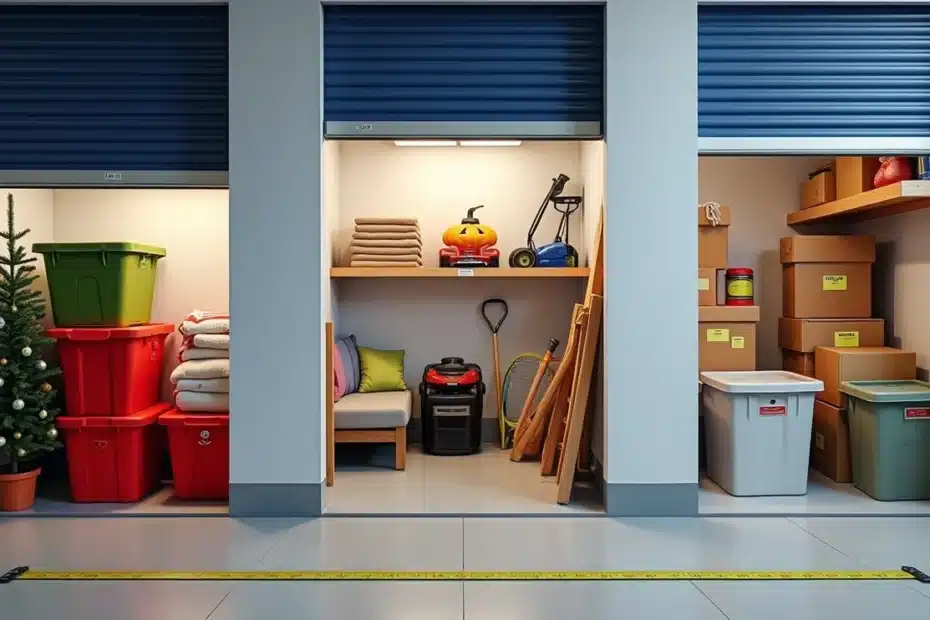
Smart selection of storage unit sizes helps you save hundreds of dollars each year on seasonal belongings storage. Most people pay extra for unused space while storing holiday decorations or summer patio furniture.
The difference between storage units makes a significant impact on your decision. A 5’x5′ unit offers 25 sq. ft. of space, like a walk-in closet, while a 10’x30′ unit provides 300 sq. ft. and fits a four-bedroom house. People often select larger units than needed. To cite an instance, a compact 5’x15′ storage unit works perfectly for studio or single bedroom contents. Seasonal storage needs careful planning based on your specific items.
This storage size guide helps you read a storage unit size chart correctly and choose between climate-controlled and non-climate-controlled options. You will end up saving money by matching your needs to the available space. The process starts with an itemized list of your storage items – a step that most people overlook.
Understanding Storage Unit Sizes
Storage facilities offer a range of standard unit sizes that fit different storage needs. You need to understand these dimensions to make the most of your storage investment and avoid extra costs.
Common unit dimensions and what fits
Most storage facilities provide units in several standard dimensions, measured in feet. The most common storage unit sizes include:
- 5’x5′ (25 sq. ft.) – As with a large closet, perfect for seasonal décor, sports equipment, and small furniture items
- 5’x10′ (50 sq. ft.) – You can call it a walk-in closet size that fits a mattress set, small furniture, and several boxes
- 10’x10′ (100 sq. ft.) – This most popular size, matches a bedroom’s dimensions
- 10’x15′ (150 sq. ft.) – Picture a large bedroom that holds everything from a two-bedroom apartment
- 10’x20′ (200 sq. ft.) – This space matches a one-car garage and fits three-bedroom home contents
Storage units typically reach 8 to 10 feet tall. This height gives you plenty of vertical space to stack boxes and organize belongings efficiently.
How to read a storage unit size chart
Storage unit size charts show measurements in both square and cubic footage. Square footage (length × width) represents floor space, while cubic footage (length × width × height) shows total storage volume.
Size charts are a great way to get helpful comparisons like “fits contents of a one-bedroom apartment” or “matches a walk-in closet.” These references help you picture the space. Some charts tell you if your items would fit in specific moving vehicles, such as a cargo van or 16-foot truck.
Why size matters for seasonal storage
The right storage unit size becomes crucial, especially when you have seasonal items. Too much space wastes money, while too little space could damage your belongings.
Seasonal storage often works well with smaller units like 5’x5′ or 5’x10′. These sizes fit holiday decorations, seasonal clothing, or sports equipment perfectly. On top of that, medium-sized units (10’x10′) handle larger seasonal items like patio furniture or multiple seasons’ worth of decorations.
Smart planning makes seasonal rotation easier. Think about how often you’ll visit the unit and organize items strategically. Your holiday decorations should stay near the front during their seasons to make rotation simple.
Best Storage Unit Sizes for Seasonal Items
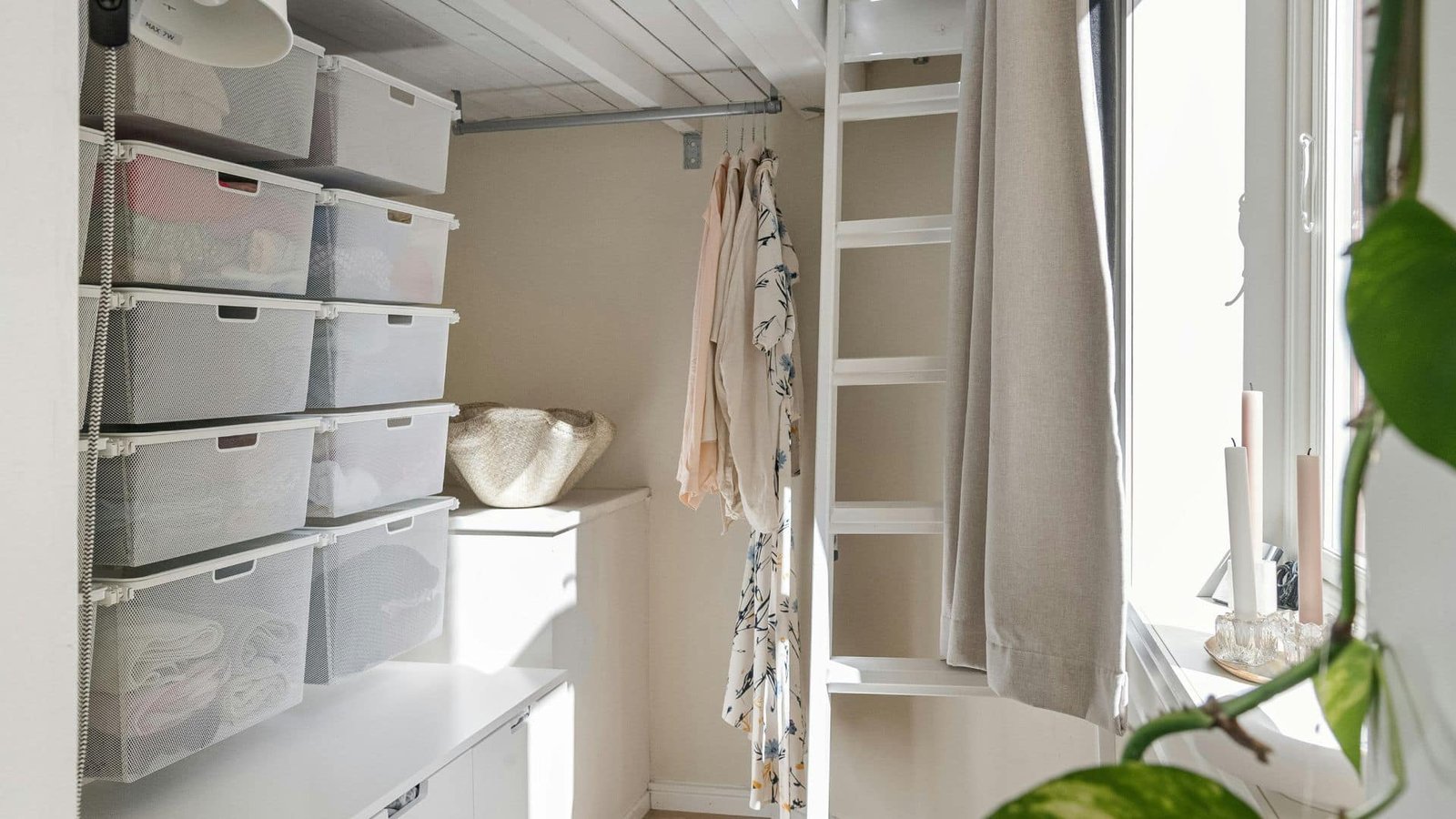
Storage costs drop a lot when you pick the right unit size for your seasonal items. Different seasonal items need specific storage solutions based on their size and how many you have.
5×5: Ideal for holiday decorations and small gear
A 5×5 unit gives you 25 square feet of space, similar to a large closet, with 8-foot tall ceilings and 200 cubic feet of storage. This small unit works great for holiday decorations, seasonal clothes, sports gear, and memory boxes. You can fit 15-20 medium boxes with Halloween props, Christmas ornaments, and other holiday items that take up space at home. The unit has enough room for rakes, small lawn tools, and garden equipment during off-season.
5×10: Great for patio furniture and sports equipment
The 5×10 storage unit matches a walk-in closet with 50 square feet, twice the space of a 5×5 unit. We designed these units to store patio furniture, garden tools, and bikes. You can store queen or full mattresses, TVs up to 75 inches, dressers, and about 25 boxes. Yes, it is perfect for seasonal sports gear like golf clubs, fishing gear, or camping equipment.
10×10: Suitable for multiple seasons’ worth of items
A 10×10 unit matches a standard bedroom’s size with 100 square feet. These popular units hold holiday decorations from every season, winter equipment like skis and snowboards, and summer gear such as camping stuff and beach chairs. You can fit furniture from a one to two-bedroom apartment with a queen-size bed, dresser, sofa, and appliances. The space works well for about 50 boxes of seasonal items.
10×15 and up: For large seasonal tools and bulky items
The 10×15 unit matches a small one-car garage with 150 square feet. These bigger units excel at keeping large seasonal tools safe – from lawnmowers and snow blowers to chainsaws and hedge trimmers. Units sized 10×20 and up fit ATVs, motorbikes, or complete home gym equipment in the off-season. Without doubt, these large spaces are perfect for storing multiple bulky seasonal items that need protection from the weather.
How to Save Money When Choosing a Storage Unit
Smart choices about your storage unit can save you money. Many renters lose hundreds of dollars each year by picking units that don’t fit their needs.
Avoid overpaying for unused space
People often overestimate their space requirements and end up paying for empty air. You should measure your items and plan their stacking arrangement instead of making guesses. Storage units let you stack items vertically to maximize floor space and height. A practical tip is to outline your estimated space with painter’s tape on your floor or lawn to check if everything fits.
Use a storage unit size guide to estimate needs
Storage facilities offer size guides that put dimensions into real-life terms. These guides show which unit size fits specific furniture amounts or rooms of belongings. Make an inventory of your seasonal items before you start looking for units. This preparation helps you pick a size that accommodates everything without wasting space.
Think about shared or community storage options
Your costs can drop significantly if you split a unit with trusted friends or family members. Clear agreements about access, space division, and payment responsibilities are essential. This setup works best for seasonal storage where items need infrequent access.
Choose non-climate vs. climate-controlled units wisely
Non-climate-controlled units cost 25-40% less than climate-controlled options. Standard units work fine for items that temperature changes don’t affect. But storing sensitive materials like leather, wood, or electronics makes climate control worth the extra $10 monthly cost.
Tips for Picking the Right Unit for Your Needs
The right preparation and planning will help you find the perfect storage space. You can save money and avoid frustration throughout your storage experience with the right approach.
Make an inventory of seasonal items
Start by creating a detailed list of everything you plan to store. Your belongings should be categorized by:
- Holiday decorations
- Seasonal clothing
- Sports equipment
- Outdoor/lawn items
A good inventory helps you determine your space needs and prevents buying duplicate items. Taking photos of your belongings can serve as a helpful reference.
Measure large items before choosing a unit
Measuring larger furniture, mattresses, and bulky items comes first. These dimensions will affect the unit size you need directly. Make sure everything will fit through the storage unit door.
Plan for future seasonal additions
Think over any items you might add to storage later. Leave enough space for an access aisle if you’re storing items for long periods. Life changes might require additional storage space, so factor that in with your current needs.
Visit the facility or use virtual size tools
Storage facilities often provide size calculators to eliminate guesswork. These tools give you a clear picture of how your items will fit. Storage specialists can help confirm your specific requirements. While virtual tools are helpful, an in-person visit gives you the best viewpoint of the space.
Conclusion
Smart planning and accurate measurements help you pick the right storage unit size. This piece shows how different units serve various seasonal storage needs – from small 5×5 spaces to bigger 10×15 options. The right choice saves you hundreds of dollars each year that you might waste on extra space you don’t need.
You should make a list of your seasonal items before picking a unit to make the most affordable decision. Holiday decorations might fit well in a small 5×5 unit. Bulkier patio furniture needs at least a 5×10 space. People with multiple seasons’ worth of equipment will find 10×10 units give them the perfect mix of space and value.
Storage places offer size charts and tools to help you decide. The best way is to measure your items and see how they’ll stack up vertically. Knowing whether you need climate-controlled protection or if a standard unit is enough is a vital money-saving choice.
The cost difference between the right-sized unit and paying too much for extra space adds up by a lot over time. Use these sizing guidelines, make your itemized list, and measure your biggest items before you decide. Smart storage choices protect your seasonal items and keep your budget healthy all year long.